
At What Age Can You Legally Use CBD?
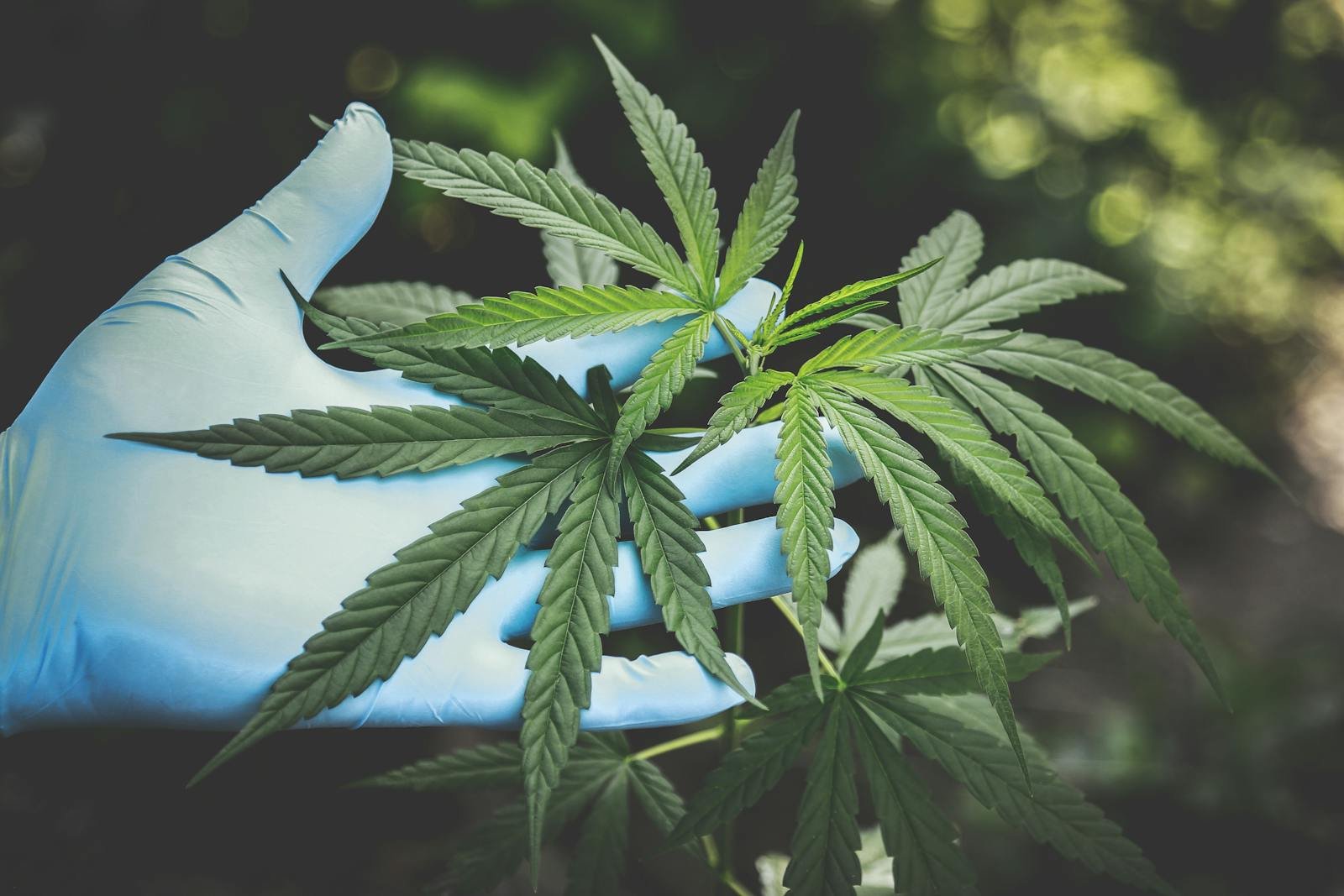
At What Age Can You Legally Use CBD? This question has become increasingly relevant as the popularity of cannabidiol (CBD) products surges across the United States. Regulatory frameworks are evolving, making it crucial for consumers—especially young users—to understand the specific age requirements and legal stipulations surrounding CBD use in their states.
Understanding CBD Legality: A State-by-State Overview
The legality of CBD is a multifaceted issue that varies significantly from state to state. The rapid expansion of the cannabis industry and changing public perceptions have led to a patchwork of laws governing CBD usage across the country.
Variation in State Laws Regarding CBD
Each state approaches the regulation of CBD differently, reflecting local attitudes toward cannabis. Some states permit the sale and consumption of CBD without restrictions, while others impose strict regulations or outright bans.
For instance, states like California and Colorado were pioneers in legalizing both medicinal and recreational cannabis, leading to a more liberal approach to CBD. Here, consumers can legally purchase CBD products with little to no restriction, regardless of age, as long as it’s derived from hemp and contains less than 0.3% THC.
Conversely, states such as Idaho and South Dakota maintain restrictive regulations regarding CBD, often requiring special licensing for sales and imposing minimum age limits. In these states, questions concerning age restrictions can be particularly convoluted, complicating the lives of potential young consumers.
Medical vs. Recreational Use
Understanding whether CBD is used medically or recreationally is critical in establishing legality. Many states have implemented medical marijuana programs where minors can access CBD if prescribed by a physician. However, the process often requires parental consent and compliance with specific regulations.
In states with robust medical marijuana laws, minors may gain access to CBD medications, provided there is substantial evidence of a qualifying condition. Yet, the application process can vary, necessitating careful navigation through medical recommendations and waiting periods.
Recent Changes in Legislation
Legislation surrounding CBD continues to evolve. As more research emerges highlighting the benefits and risks associated with CBD, several states are revising their existing laws or enacting new ones altogether.
This constant flux makes it essential for consumers, especially families with children, to stay informed. Legislative updates can dramatically change access and legality, sometimes overnight, making vigilance necessary for those interested in pursuing CBD products.
Federal Regulations and CBD Use: Is There an Age Restriction?
To comprehend at what age one can legally use CBD, one must first consider federal regulations. The Farm Bill of 2018 legalized hemp-derived CBD at the federal level but did not specifically address age restrictions.
The Farm Bill: What It Means for CBD Legality
The passage of the 2018 Farm Bill was a watershed moment, permitting the cultivation and sale of hemp-derived CBD products across the U.S. However, while this legislation made CBD legal on a national scale, it left many regulatory details up to the states, including how age restrictions might apply.
The Food and Drug Administration (FDA) maintains authority over the regulation of CBD in food and dietary supplements, but it has yet to establish comprehensive guidelines for age limits concerning CBD products. In practice, this creates inconsistencies among states, as some take cues from the FDA while others create their own rules.
Interaction with Other Federal Regulations
While the Farm Bill legalized hemp-derived CBD, other federal laws remain pertinent. The Controlled Substances Act still classifies marijuana as a Schedule I substance, which complicates matters for products containing higher levels of THC. This delineation impacts the legality of various CBD products and their accessibility, particularly for minors.
Moreover, the FDA’s ongoing evaluation of CBD’s safety and efficacy adds another layer of complexity. Until formal guidelines are established, questions about appropriate age for CBD use remain uncertain at the federal level, placing greater emphasis on individual state legislation.
Age Restrictions Imposed by Retailers
Even in states where CBD is legal, retailers may impose their own age restrictions. Common practices include requiring customers to be at least 18 or even 21 years old to purchase CBD products. These self-imposed limitations reflect a cautious approach to ensure compliance with both legal standards and ethical considerations.
Retailers also often cite concerns about the unknown effects of CBD on developing brains, pushing them to implement age restrictions beyond those mandated by law. This retailer-driven limitation adds yet another layer of nuance to the overarching question: At what age can you legally use CBD?
Age Requirements for CBD Products: Distinguishing Between Hemp-Derived and Marijuana-Derived CBD
Not all CBD products are created equal. Understanding the distinctions between hemp-derived and marijuana-derived CBD is crucial in determining legal access, particularly for minors.
Differentiating Between Hemp and Marijuana CBD
Hemp-derived CBD must contain less than 0.3% THC to qualify under federal law. Conversely, marijuana-derived CBD may possess higher levels of THC, making it subject to stricter regulations, often classified under more stringent medical marijuana laws.
This differentiation affects not only legality but also availability in various retail settings. Hemp-derived CBD products can often be found in general stores and online marketplaces, while marijuana-derived CBD typically requires a medical card or involves purchasing from licensed dispensaries.
Implications for Minors
When it comes to minors wishing to access CBD, the distinctions are critical. In states where marijuana-derived CBD is permitted for medical use, minors generally need parental consent and a physician’s recommendation to obtain these products.
On the other hand, accessing hemp-derived CBD may not require a medical prescription, allowing for broader availability. However, since many retailers impose their own age restrictions, young consumers may still find hurdles in acquiring these products.
Legal Loopholes and Risks
Some areas exploit legal loopholes to market CBD products aimed at younger demographics, raising concerns from health professionals and parents alike. This situation presents risks for uninformed consumers who may not understand the differences between hemp and marijuana-derived CBD and assume that all CBD is benign.
Additionally, improper labeling of products can lead to unintentional consumption of THC, posing health risks, particularly for adolescents. It is imperative for families to educate themselves on product sourcing and ingredient safety, ensuring they make informed choices about CBD consumption.
CBD Consumption and Minors: Parental Consent and Medical Recommendations
Navigating the world of CBD can be complicated, especially when minors are involved. Parents and guardians play a pivotal role in guiding younger individuals through legal and health-related aspects of CBD consumption.
The Role of Parental Consent
Many states require parental consent for minors to access medical CBD. This consent may involve filling out applications and submitting documentation to qualify for state medical marijuana programs, underscoring the need for parental involvement.
Parents should be well-informed about the potential benefits and side effects of CBD to advocate effectively for their children’s needs. This education enables them to engage in conversations with healthcare providers, paving the way for responsible usage.
Medical Recommendations for CBD Use in Young People
Healthcare professionals have begun exploring the therapeutic applications of CBD for various conditions affecting children, such as epilepsy and anxiety disorders. In these cases, doctors may recommend CBD as part of a treatment regimen.
However, it is crucial to recognize that dosing and formulations tailored for adults may not be appropriate for children. Pediatricians specializing in cannabinoid therapies can provide valuable guidance, ensuring safe and effective treatment plans.
Ethical Considerations
Ethical implications must also be considered when introducing minors to CBD. Discussions surrounding its use should encompass potential risks, benefits, and alternatives. Parents are encouraged to weigh the evidence carefully and consider consulting multiple healthcare professionals before proceeding with CBD use.
Doing so empowers families to make informed decisions rooted in research and expert opinion, ultimately prioritizing the health and well-being of young users.
Potential Health Risks of CBD Use in Adolescents: A Cautious Approach
While CBD boasts numerous potential benefits, it is essential to approach its use among adolescents with caution. Research into the effects of CBD on developing brains remains limited, necessitating careful consideration of health risks.
Limited Research on Long-Term Effects
Although preliminary studies suggest that CBD may assist with certain medical conditions, comprehensive research detailing its long-term impact on adolescents is lacking. The endocannabinoid system—the target for cannabinoids like CBD—plays a significant role in brain development, leaving unanswered questions about the implications of CBD use during formative years.
Given the complexity of adolescent brain development, the introduction of any foreign substance merits scrutiny. It is critical for families to remain aware of the potential risks while weighing the benefits, taking a conservative approach to usage.
Possible Side Effects to Consider
As with any substance, CBD may produce adverse effects, particularly in younger populations. Common side effects reported include fatigue, gastrointestinal issues, and changes in appetite or mood. An understanding of these potential reactions can help families prepare for possible outcomes.
Furthermore, CBD may interact with other medications, causing unintended complications. Parents should consult with medical professionals to discuss existing prescriptions and whether CBD use is advisable.
Striking a Balance Between Risks and Benefits
Finding a balance between the potential benefits and risks of CBD usage among adolescents demands thoughtful conversation and individualized assessment. Families should prioritize open dialogue to ensure that young users feel comfortable discussing their experiences and concerns related to CBD.
By encouraging transparency and mutual respect, caregivers enhance the likelihood of positive outcomes while reducing the risk of adverse events. Educating young users and fostering communication ultimately paves the way for safer exploration of CBD options.
Navigating the CBD Market: Ensuring Product Safety and Compliance for Young Users
With the burgeoning CBD market, consumers must remain vigilant in selecting safe and compliant products. For young users, ensuring quality and adherence to legal standards becomes paramount.
Understanding Product Labeling
One critical aspect of navigating the CBD market involves understanding product labeling. Consumers should look for third-party lab testing results, confirming that the product meets safety and potency standards.
Accurate labeling is vital not only for transparency but also for protecting consumers from harmful contaminants. Misleading labels can expose unsuspecting users to higher levels of THC or unwanted additives, potentially jeopardizing health.
Recognizing Reputable Brands
Not all CBD brands are created equal. Identifying reputable companies committed to producing high-quality products is essential for safeguarding young users. Characteristics of trustworthy brands include:
- Transparency regarding sourcing and manufacturing processes
- Availability of detailed lab reports
- Positive customer reviews and testimonials
Researching brands and seeking recommendations can significantly reduce the chances of poor-quality purchases.
Legal Compliance and Regulation
With inconsistent state regulations, consumers must stay informed about local laws governing CBD products. While some states maintain stringent oversight, others allow for looser regulations, resulting in varying levels of product safety.
It is imperative to purchase CBD products from licensed dispensaries or retailers familiar with local laws, minimizing risks associated with non-compliant goods. Such diligence ensures that consumers acquire products designed with safety and efficacy in mind.
Conclusion
The question “At What Age Can You Legally Use CBD?” is not easily answered due to the complexities of state and federal regulations, the distinction between hemp-derived and marijuana-derived products, and the health implications associated with adolescent use. With rapidly evolving laws, varying age restrictions, and the vital role of parental consent, education is key for families navigating the CBD landscape. By fostering open discussions, staying informed about product safety, and collaborating with healthcare professionals, families can make sound decisions that prioritize the health and well-being of young users.